




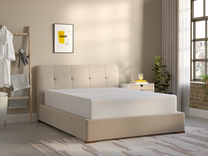
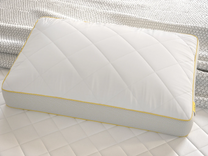


When it comes to creating an allergy‑friendly bedroom, it isn’t just about swapping your pillows or cracking open a window; it’s about building a space where your body can genuinely rest without irritation, sneezing, or that familiar tickle in the air.
From hidden dust mites to lingering pollen, bedrooms can quietly collect more allergens than we realise, but with the right choices, you can turn yours into a cleaner, calmer, easier‑to‑breathe sanctuary.
In this guide, we’ll explore what truly makes a bedroom allergy‑friendly, and how small changes can transform the way you sleep.
why an allergy‑friendly bedroom matters
Bedrooms might feel like the cleanest, calmest spaces in the home, but they’re also where allergens quietly build up. Dust mites thrive in warm bedding, pollen drifts in through open windows, pet dander clings to fabrics, and mould spores can develop anywhere moisture lingers.
All of this can affect how well you breathe and ultimately, how well you sleep. Creating an allergy-friendly bedroom isn’t about a complete overhaul; it’s about making small, thoughtful changes that add up to a cleaner, healthier, more comfortable space where your body can truly rest.
the biggest bedroom allergy triggers
Even the cleanest bedrooms can collect hidden irritants that affect how well you sleep. Here are the most common allergy triggers to look out for:
- Dust mites: tiny insects that thrive in warm, humid bedding, feeding on dead skin cells and quickly multiplying in mattresses, pillows and duvets.
- Pet dander: tiny flakes of skin and hair that easily cling to fabrics, carpets and soft furnishings, making them a common trigger for allergy symptoms.
- Pollen: easily carried indoors on clothes, hair and open windows, settling on surfaces and triggering seasonal allergy symptoms.
- Mould spores: caused by excess moisture and poor ventilation, they can develop on walls, windowsills and hidden corners, releasing particles that easily trigger allergy symptoms.
-
Household dust: a mix of tiny particles that naturally collect on surfaces, soft furnishings and flooring, easily becoming airborne and triggering irritation.
bedding choices that reduce allergies
Creating an allergy‑friendly bedroom starts with the right bedding. The materials you sleep on can make a big difference to how many allergens build up overnight, from dust mites to lingering moisture.
Here are the key bedding choices that help create a cleaner, more comfortable sleep space:
Hypoallergenic Materials
Choosing hypoallergenic bedding helps reduce the build-up of dust mites and irritants. Fabrics like tightly woven cotton, bamboo and microfibre naturally resist allergens and create a cleaner sleep surface.
Anti‑Allergy Treatments
Modern bedding often includes built‑in anti‑allergy treatments designed to reduce the most common triggers that disrupt sleep. Technologies like Purotex use active probiotics to help minimise dust‑mite activity, while specialist anti‑dust‑mite coatings create an added barrier against irritants.
Washability
Opt for bedding that can be washed frequently at high temperatures. Regular washing helps remove dust mites, pollen and pet dander, keeping your sleep environment fresher and more hygienic.
air quality: the hidden hero
Clean, well circulated air plays a huge role in reducing everyday allergens, even though it’s easy to overlook. Before diving into the practical steps, here are the keyways air quality can make a real difference in your bedroom:
Ventilation
Good airflow helps keep your bedroom fresh and reduces everyday allergens. Simple habits make a big difference:
- Opening windows strategically: letting in fresh air when pollen levels are lower.
- Avoiding moisture build up: keeping the room dry to prevent mould and dust mites.
Air Purifiers
Air purifiers can make a noticeable difference to allergy control by cleaning the air you breathe each night. Models with HEPA filters are especially effective, as they trap tiny airborne allergens like dust, pollen and pet dander, helping your bedroom feel fresher and more comfortable.
Humidity Control
Keeping humidity at the right level is key to reducing allergens in the bedroom. When the air is too damp, dust mites and mould thrive, but when it’s balanced, both are far less likely to grow. Aim for ideal humidity levels to keep your space fresher, drier and more comfortable:
Ideal humidity levels: maintaining around 40–50% helps limit dust mites and prevent mould.
soft furnishings: what to keep and what to avoid
Soft furnishings can add warmth and style to a bedroom, but they also tend to trap everyday allergens. Fabrics like rugs, curtains and cushions hold on to dust, pollen and pet dander, making regular cleaning and smart material choices essential. Here are the key things to consider:
- Rugs, curtains and cushions: these can trap dust and allergens, especially if made from heavy or textured fabrics.
- Best materials for allergy‑friendly décor: smooth, washable fabrics like cotton or microfibre are easier to keep clean.
- How often to clean or replace them: regular washing or vacuuming helps reduce buildup and keeps the space fresher.
cleaning habits that make a real difference
Regular cleaning routines play a huge role in keeping allergens under control. Small, consistent habits help stop dust, pollen and pet dander from building up in the places you spend the most time. Here are the key routines that make the biggest impact:
- Weekly routines: vacuuming, dusting and washing bedding to remove everyday allergens.
- Monthly routines: deeper tasks like washing curtains and rotating your mattress to keep your space fresher.
- Microfibre cloths and HEPA vacuums: these tools trap fine particles more effectively, helping reduce allergens in the air and on surfaces.
pets and allergies: creating boundaries
Pets bring comfort, but they also shed dander that can easily trigger allergies, especially in the bedroom where fabrics trap it most. Setting gentle boundaries and keeping up with regular care can make a big difference to how clean and comfortable your sleep space feels. Here are the key habits to focus on:
- Keeping pets out of the bedroom: reducing dander on bedding, carpets and soft furnishings.
- Washing pet bedding regularly: preventing allergens from spreading around the home.
- Grooming to reduce dander: brushing and bathing your pet to minimise loose hair and allergens.
flooring and furniture choices
The surfaces in your bedroom have a big impact on how easily allergens can settle, and how quickly you can clean them away.
Choosing materials that don’t trap dust, dander or moisture helps keep the space fresher with far less effort. Here are the key things to consider:
- Hard flooring vs carpet: hard floors are easier to clean and don’t hold allergens the way carpets do.
- Low VOC paints and finishes: choosing low emission options helps reduce irritants in the air.
- Easy to clean surfaces: smooth, wipeable furniture reduces dust buildup and makes regular cleaning quicker.
creating a calm, allergy‑friendly sleep sanctuary
An allergy‑friendly bedroom doesn’t have to feel clinical; it can still be soft, stylish and deeply relaxing. The key is blending smart, practical choices with comforting textures and a layout that feels inviting.
With a few thoughtful tweaks, you can create a space that supports easier breathing, better sleep and a calmer mind. Here are the ideas that matter most:
- Combining practicality with comfort: choosing materials and habits that reduce allergens without losing that cosy feel.
- Keeping the room warm, stylish and inviting: proving that an allergy‑friendly space can still look beautiful.
- Small changes, big improvements: simple adjustments that can transform sleep quality and overall wellbeing.
rounding up
Creating an allergy‑friendly bedroom is all about making thoughtful choices that support cleaner air, calmer sleep and a healthier home. From breathable bedding and smart ventilation to regular cleaning habits and the right soft furnishings, each element plays a part in reducing allergens and improving comfort.
The benefits are clear, better sleep, easier breathing and a space that genuinely supports your wellbeing. And the best part is you don’t have to change everything at once. Starting with one or two simple adjustments can make a real difference, helping you build a sleep sanctuary that feels both soothing and supportive.
Until next time, eve sleep.