






There is nothing quite like a hot night to ruin your sleep. You finally get into bed, already a bit sticky, hoping for the best. Five minutes later you are flipping the pillow, kicking the duvet off, pulling it back on again, and wondering how it is still this warm at midnight.
In the UK, we are not exactly built for heat. Our homes are designed to keep warmth in, not let it out, which is lovely in January but less so when you are trying to sleep through a summer heatwave. So if you are lying there wide awake and overheating, you are definitely not alone.
The good news is there are ways to make it more bearable. You might not turn your bedroom into a luxury air-conditioned hotel, but you can make a noticeable difference.
why hot weather makes sleep harder
Sleep and temperature are closely linked. Your body naturally cools down as part of your sleep cycle. It is one of the signals that tells your brain it is time to drift off.
When your surroundings are too warm, that cooling process gets disrupted. Instead of relaxing into sleep, your body is working overtime trying to get rid of excess heat. That is why you end up restless, uncomfortable, and waking up more often than usual.
Humidity makes it worse as well. When the air is sticky, sweat does not evaporate as easily, so you feel hotter for longer. It is basically your body trying to cool itself and not quite managing.
keep your bedroom as cool as possible
It sounds obvious, but keeping your bedroom cool during the day makes a big difference at night.
Close your curtains or blinds in the morning, especially if your room gets direct sunlight. It might feel counterintuitive to shut everything up on a bright day, but it helps stop heat from building up indoors.
Later in the evening, once the temperature outside drops, open the windows to let cooler air in. If you can create a bit of a cross breeze by opening windows on opposite sides of your home, even better.
If you have a fan, use it strategically. Pointing it directly at yourself can help, but you can also place a bowl of cold water or ice in front of it to create a slightly cooler airflow. It is not exactly high tech, but it can take the edge off.
rethink your bedding
Heavy duvets are not your friend in hot weather. If you are still using a thick winter duvet in July, it might be time for a change.
A lighter summer duvet or even just a sheet can make a big difference. Natural fabrics like cotton or linen tend to be more breathable than synthetic materials, which means they trap less heat.
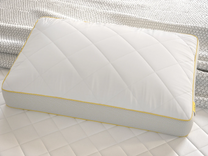
It is also worth thinking about your pillow. If it feels warm and uncomfortable, try flipping it regularly or switching to one that stays cooler for longer.
And if you find yourself constantly kicking the covers off, it might be your body telling you that less really is more on hot nights.
take a cooler approach to your evening routine
What you do before bed can have a surprising impact on how hot you feel when you finally lie down.
A lukewarm shower can help bring your body temperature down. Cold showers might sound more appealing, but they can sometimes have the opposite effect by making your body work to warm itself back up afterwards.
Try to avoid heavy meals right before bed as well. Digesting food generates heat, which is the last thing you need on a warm night.
Alcohol and caffeine can also make you feel warmer and disrupt your sleep, so it is worth keeping those in check if you are already struggling.
wear the right thing or nothing at all
What you wear to bed matters more than you might think.
Loose fitting, lightweight clothing made from breathable fabrics can help keep you comfortable. Tight or synthetic materials tend to trap heat and make things feel worse.
Some people find that sleeping without clothes is the coolest option, while others prefer a light layer to absorb sweat. It really comes down to personal preference, so it is worth experimenting to see what works for you.
The key thing is to avoid anything that makes you feel restricted or overheated.
small tricks that can make a big difference
Sometimes it is the little things that help the most.
Keeping a glass of cold water by your bed means you do not have to get up if you wake up feeling hot and thirsty. Staying hydrated during the day helps too, as it supports your body’s natural cooling system.
You can also try cooling specific areas of your body. Your wrists, neck, and ankles are good spots, as the blood vessels are closer to the surface. A cool flannel or even briefly running them under cold water can help you feel more comfortable.
Another simple trick is to put your pillowcase or bedsheet in the fridge for a short while before bed. It will not stay cold all night, but it can give you a bit of relief as you fall asleep.
adjust your expectations
One of the most frustrating things about hot weather is that you might not sleep as well as usual, no matter what you do.
Instead of aiming for a perfect night’s sleep, it can help to lower the bar slightly. Focus on getting enough rest rather than expecting deep, uninterrupted sleep.
If you wake up during the night, try not to stress about it. The more you worry about not sleeping, the harder it becomes to relax. Sometimes just lying still and resting your body is better than tossing and turning in frustration.
so how do you actually sleep in hot weather?
The honest answer is that you manage it rather than master it.
Keeping your room cool, choosing the right bedding, adjusting your routine, and using a few clever tricks can all help you feel more comfortable. But hot weather will always have some impact on your sleep, especially in homes that are not designed for it.
The key is to find what works for you and stick with it. You might prefer a fan and a thin sheet, or an open window and no covers at all. There is no single perfect solution.
And when all else fails, remind yourself that cooler nights will eventually return. Until then, it is all about staying as comfortable as you can and not overthinking it too much.