




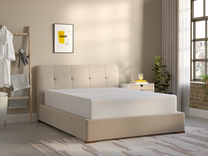


When you think about a good night’s sleep, what comes to mind? Crisp white sheets, a perfectly made bed, a decluttered room with scented candles? If that’s your mental image, you’re not alone. For years, the “tidy bedroom = better sleep” mantra has been repeated in wellness blogs, Instagram posts, and lifestyle magazines. But here’s a controversial truth: messy bedrooms can still be good for sleep.
Yes, really. While a tidy room can be calming, a slightly chaotic bedroom doesn’t automatically sabotage your rest. In fact, the obsession with perfection might sometimes do more harm than good. Let’s unpack why your untidy sanctuary can still be the perfect place to recharge.
the myth of the perfectly tidy bedroom
Society loves order. Pinterest boards are full of minimalist, spotless bedrooms that promise “better sleep and life clarity.” But these images aren’t reality; they’re aspirational, curated, and often unattainable.
Believing that a perfectly tidy room is essential for sleep creates unnecessary pressure. When your bedroom doesn’t meet these impossible standards, you can feel guilty, stressed, or frustrated; the exact opposite of what you want before bed. Ironically, chasing the tidy dream can make sleep harder, not easier.
why clutter isn’t always a problem
Here’s the thing: clutter only affects sleep if it triggers stress. If your pile of clothes, books, or mismatched pillows doesn’t bother you, it’s harmless. Sleep isn’t about aesthetics. It’s about creating an environment where your brain can relax and your body can rest.
Some people even find messy bedrooms comforting. They’re surrounded by familiar objects, reminders of their life, and things that make them feel at home. In that sense, a bit of chaos can create a sense of security and warmth.
the mental angle
Sleep is psychological as much as physical. If you associate your bedroom with guilt or anxiety over mess, it might interfere with falling asleep. But if you’re relaxed about your environment, your brain doesn’t care that your socks are on the floor or your books are stacked in a teetering tower.
In other words, it’s your mindset that matters more than the mess itself. A tidy room might help some people feel calm, but for others, obsessing over tidiness adds another layer of stress. If a messy room makes you feel at home and safe, it can be just as conducive to sleep as a minimalist one.
when messy works in your favour
Believe it or not, a messy bedroom can even have some benefits:
· Creativity boost: Being surrounded by familiar items can spark ideas; and winding down surrounded by things you love can improve mood before bed.
· Reduced pressure: A messy room signals that perfection isn’t required; relaxation may become easier.
· Comfort and personality: Bedrooms filled with personal items, blankets, and favourite objects feel lived-in, which can make sleep feel cosier and more natural.
· Normalising imperfection: Accepting a messy room can reduce stress in other areas of life, creating an overall sense of ease.
Messiness isn’t inherently chaotic; it’s just a visual state. If it doesn’t bother you, it won’t bother your sleep.
small boundaries that help
Of course, there’s a difference between “messy but comfy” and “hazardous chaos.” Some boundaries help even the messiest bedroom remain sleep-friendly:
1. Clear a small zone around your bed: Keep at least your immediate sleeping space free from clutter, so you can move easily and lie down without tripping over laundry.
2. Avoid smells and hygiene issues: Dirty laundry or rubbish near your bed can affect sleep quality.
3. Mind screens: Messy rooms often lead to piles of gadgets and wires. Keep electronics under control to avoid sleep disruption.
4. Light control: Even in a messy room, blackout curtains or an eye mask can help your brain signal bedtime.
These are small tweaks that preserve the benefits of a relaxed bedroom without turning it into a stress-inducing environment.
sleep quality over tidiness
Ultimately, sleep quality matters far more than aesthetics. Studies show that factors like noise, light, temperature, and comfort have a bigger impact on sleep than cleanliness alone. You can have the tidiest bedroom imaginable and still toss and turn all night if your mattress is uncomfortable or your brain is stressed.
Conversely, a messy room with soft bedding, dim lighting, and a comfortable temperature can be the perfect recipe for restful sleep. Prioritising comfort, routine, and mindset over perfection is the key.
dealing with guilt over mess
If you’re someone who struggles with mess anxiety, it can be hard to embrace a cluttered bedroom. Here are a few tips to reduce guilt without obsessing over tidiness:
· Focus on zones: Tidy up critical areas like the bed and floor, but leave secondary surfaces relaxed.
· Set a timer: Five minutes of quick straightening can give a sense of control without overdoing it.
· Reframe mess: Remind yourself that a lived-in space is normal and comforting.
· Mindset shift: Tell yourself sleep quality > visual perfection. Your brain doesn’t check for Instagram-level tidiness before it relaxes.
A little mental reframing goes a long way toward sleeping soundly without guilt.
embracing your bedroom personality
Your bedroom is an extension of you. If that means piles of books, an assortment of blankets, or a scattering of clothes on the floor, embrace it. Messy bedrooms aren’t inherently bad; they just work differently for different people.
Instead of forcing minimalism or perfect organisation, focus on what makes you feel relaxed and comfortable. That might be a bed surrounded by favourite things, or a small corner cleared just for sleep. Either way, it’s your sanctuary.
in conclusion: comfort over perfection
Messy bedrooms can absolutely be good for sleep. The key is comfort, routine, and mindset. Tidy rooms help some people relax, but for others, obsessing over cleanliness adds unnecessary stress.
If your bedroom makes you feel at home, safe, and cosy, then the “mess” is irrelevant. Focus on sleep-friendly habits, small boundaries, and mental relaxation. Your bedroom doesn’t need to be spotless. It needs to be your reset zone, your sanctuary, your personal bubble where you can recharge.
So, the next time someone comments on your cluttered nightstand or the pile of laundry in the corner, smile. You’re not failing at sleep; you’re simply creating a space that works for you. And honestly, that’s far more important than a perfectly folded duvet.