





We don’t always outgrow comfort objects.
For some people, it’s a teddy bear. For others, it might be a cushion, a weighted blanket, or even a familiar hoodie. And while it may feel like something reserved for childhood, there’s actually plenty going on beneath the surface when it comes to comfort objects and sleep.
Here at eve Sleep, we’re interested in anything that helps people feel more relaxed, secure and ready for sleep. And comfort objects – teddies included – can play a surprisingly meaningful role in that.
So why do they help? And is there any real science behind it?
why comfort matters for sleep
Sleep doesn’t start when your head hits the pillow. It starts earlier; when your mind begins to feel safe, calm and settled.
Comfort objects can help create that sense of ease by offering:
- Familiarity
- Emotional reassurance
- A sense of routine or ritual
- Gentle sensory grounding (touch, weight, texture)
In other words, they help signal to your brain that it’s time to switch off.
the psychology of sleeping with a teddy
There’s a reason comfort objects often appear in childhood and sometimes stay with us into adulthood.
From a psychological perspective, they can act as a form of “transitional object,” helping bridge the gap between alertness and sleep. They provide consistency in an environment that can otherwise feel unpredictable.
That sense of familiarity can be especially helpful during times of stress, change, or disrupted routine.
Put simply: when your brain recognises something safe and known, it’s easier to relax.
stress reduction and emotional regulation
One of the biggest barriers to good sleep is stress.
Racing thoughts, overthinking and general anxiety can keep the nervous system switched on when it should be winding down.
Comfort objects can help by:
- Providing a calming tactile focus
- Supporting self-soothing behaviours
- Helping reduce feelings of loneliness or restlessness
It’s not about the object itself. It’s about the feeling of comfort it creates.
sensory comfort and better sleep
Sleep is a highly sensory experience.
Texture, temperature, weight and touch can all play their part in influencing how relaxed we feel in bed. A soft teddy or familiar object can offer gentle sensory input that feels grounding and calming.
This is similar to why some people sleep better with:
- Weighted blankets
- Soft bedding
- Body pillows
- Familiar sleepwear
It’s all about creating a sleep environment that feels consistent and reassuring.
do adults really sleep with teddies?
Yes. And more people do than you might think.
While it’s not always openly discussed, many adults continue to use comfort objects for sleep. And there’s nothing unusual about it.
Sleep quality is really personal, and anything that supports relaxation (without causing dependency or disruption) can be part of a healthy sleep routine.
If it helps you feel calmer at night, it has value.
when comfort objects are most helpful
Sleeping with a teddy or comfort object may be especially useful if you:
- · Struggle to unwind before bed·
- Experience stress or anxiety
- Travel frequently or sleep in unfamiliar places
- Have irregular routines
- Find it hard to switch off mentally
In these situations, familiarity can help anchor your sleep environment.
taking a teddy to university: comfort in a new environment
Starting uni is one of the biggest life transitions many of us experience. For the first time, you may be sleeping away from home for weeks or months at a time, surrounded by unfamiliar people, routines and environments.
It's completely normal for sleep to feel different during those first few weeks.
A comfort object, whether that's a childhood teddy, a favourite blanket or a familiar cushion, can help create a sense of continuity during this change.
From a sleep perspective, familiar objects can:
- Provide emotional reassurance during periods of uncertainty
- Help reduce feelings of homesickness or loneliness
- Give you a sense of familiarity in an unfamiliar bedroom
- Support your existing bedtime routines and sleep cues
- Offer comforting sensory input when everything else feels new
Many students find that bringing a familiar item from home helps make university accommodation feel less like a temporary room and more like a personal space.
Sleep is closely linked to feelings of safety and security. When we're sleeping somewhere unfamiliar, our brains can remain slightly more alert as they adjust to a new environment. Familiar comfort items can help bridge that gap by providing a reassuring reminder of home.
And while some people may worry that bringing a teddy to university is childish, the reality is that comfort objects are used by adults of all ages. If something helps you feel calmer, more settled and able to sleep better, it's serving an important purpose.
The transition to university comes with enough challenges already. There's no reason to leave comfort behind if it helps you rest and recharge.
pairing comfort with the right sleep setup
While comfort objects can support relaxation, they work best as part of a wider sleep environment.
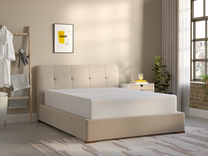
A supportive mattress, breathable bedding and a calm bedroom environment all contribute to better sleep quality.
When your physical sleep setup is comfortable, and your emotional environment feels safe, your body is more likely to drift off naturally.
is there a “right” way to use a comfort object?
Not really.
Some people hold a teddy. Some keep it nearby. Others simply like having it in the room. There’s no correct method, only what helps you feel more relaxed.
Sleep is not about rules. It’s about what works for your body and mind.
sleeping with comfort items: the bottom line
Sleeping with a teddy isn’t about nostalgia; it’s about comfort.
Whether it’s a childhood teddy, a pillow, or another object that helps you feel grounded, the principle is the same: when you feel safe and relaxed, sleep tends to follow more easily.
And in a world that often feels busy and overstimulating, small sources of comfort can make a surprisingly big difference.