






You know that feeling; you’re tucked up in bed, the lights are low, you want to drift off… but your brain’s decided it’s the perfect time to replay every awkward conversation you’ve ever had.
We get it. Sometimes, switching off isn’t as easy as switching out the light. But the good news? A few simple breathing exercises can help calm your mind, slow your heart rate, and ease you gently into sleep.
Here’s how to use your breath to send a very polite “shh” to your busy brain.
1. the 4-7-8 Technique (a classic for a reason)
This one’s a bedtime favourite — created to help your body relax, lower stress, and prepare for sleep.
How to do it:
- Inhale quietly through your nose for 4 seconds.
- Hold that breath for 7 seconds.
- Exhale slowly through your mouth for 8 seconds.
Repeat this 3–4 times (or until you start to feel that lovely floaty feeling).
Why it works:
The slower breathing pattern tells your nervous system it’s safe to relax — which helps your mind stop racing and your body ease into sleep mode.
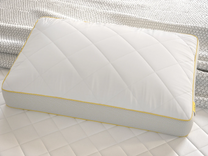
eve tip: Try this while lying on your back, head supported by your pillow, shoulders relaxed, and duvet pulled up just right.
2. box breathing (for when your mind won’t stop ticking)
This simple pattern is a go-to for calming an overactive mind — used by everyone from yoga instructors to athletes.
How to do it:
- Inhale through your nose for 4 seconds.
- Hold your breath for 4 seconds.
- Exhale slowly through your mouth for 4 seconds.
- Hold again for 4 seconds.
Repeat a few rounds until your breathing feels steady and your body starts to soften into the mattress.
Why it works:
Focusing on the pattern helps quiet mental chatter. It’s a gentle reset button for your mind — ideal for those nights when you’re counting thoughts instead of sheep.
3. diaphragmatic breathing (for deep, restorative calm)
Also called “belly breathing,” this technique encourages deeper, slower breaths that help your whole body unwind.
How to do it:
- Place one hand on your chest and one on your stomach.
- Inhale deeply through your nose, feeling your stomach rise.
- Exhale slowly through your mouth, feeling your stomach fall.
Try this for 5–10 minutes before bed — or even as a mini nap-time recharge.
Why it works:
It increases oxygen flow, slows your heart rate, and tells your body it’s time to rest. Plus, it’s one of the quickest ways to release built-up tension from your day.
4. alternate nostril breathing (for balance and focus)
A little more unusual, but surprisingly effective — this one’s borrowed from yoga practice and helps bring calm and clarity before sleep.
How to do it:
- Use your thumb to close your right nostril and inhale through your left.
- Close your left nostril with your finger and exhale through your right.
- Inhale again through your right, then switch and exhale through your left.
Repeat for 1–2 minutes.
Why it works:
It balances your breathing, clears your head, and helps you let go of the day.
Eve tip: It might feel funny at first — but trust us, your brain will thank you.
5. the eve way to wind down
Breathing exercises work best when paired with a calming bedtime setup. Try this combo for your ultimate pre-sleep ritual:
- Dim the lights (and ditch the phone).
- Sink into your eve mattress, get your pillow just right, and feel your body soften.
- Start your breathing practice — slow, steady, gentle.
Before you know it, you’ll be halfway to dreamland.
breathing exercises for sleep: the bottom line
Sleep isn’t just about closing your eyes — it’s about calming your mind. A few minutes of mindful breathing can help you slow down, switch off, and drift off more easily.
So tonight, breathe deep, get comfy, and let your eve bed do the rest. Because when you wake up well, everything feels a little lighter. Until next time, eve Sleep.