







Whether you've stayed up revising for an exam, been up all night with a poorly little one, caught a red-eye flight, worked a night shift or simply had one too many at a friend's birthday, pulling an all-nighter happens to the best of us.
While missing a full night's sleep isn't something you want to make a habit of, sometimes life gets in the way of your bedtime.
The good news? One all-nighter doesn't have to derail your sleep for days.
Here's how to recover after an all-nighter, feel more human again and get your sleep schedule back on track.
quick answer: how do you recover from an all-nighter?
If you've had no sleep (or very little), here's what sleep experts generally recommend:
- Get outside for natural daylight as soon as you can.
- Stay hydrated throughout the day.
- Eat balanced meals rather than relying on sugar.
- Limit caffeine after late morning or early afternoon if you’re caffeine sensitive.
- Take a short power nap if you really need one.
- Keep moving with light activity.
- Go to bed at your usual bedtime if possible.
- Prioritise a good night's sleep over the next few days.
The temptation is often to sleep all day. But in all honesty, that's more likely to leave your body clock confused.
why does an all-nighter feel so awful?
Sleep gives your brain and body time to recover.
After an all-nighter, you may notice:
- Slower reaction times
- Difficulty concentrating
- Brain fog
- Irritability
- Reduced energy
- Feeling hungrier than usual
- Less motivation
These effects are a normal response to sleep loss and usually improve once you've caught up on rest.
recovering after studying all night
Sometimes deadlines loom or exams are just around the corner.
If you've spent the night revising, your brain has been working hard, even if it doesn't feel like it retained everything at 4am.
The next day:
- Eat a proper breakfast with protein and slow-release carbohydrates.
- Drink plenty of water.
- Get some daylight before heading to your exam or lectures.
- If you have time, a 20-minute power nap can improve your alertness without leaving you feeling groggy.
Then, once the exam or coursework is behind you, make sleep your priority.
recovering after a night out
Late nights with friends are part of life.
If your all-nighter involved dancing until sunrise (or an after-party that got slightly out of hand), recovery is about more than sleep.
Focus on:
- Rehydrating with water.
- Eating nourishing meals rather than skipping food.
- Getting outside for fresh air if you feel up to it.
- Avoiding the temptation to spend the whole day in bed.
If alcohol was involved, remember that while it can make you feel sleepy, it often disrupts sleep quality later in the night.
recovering after travelling overnight
Overnight flights, long train journeys and airport delays can all leave you feeling like you've barely slept.
If you've crossed time zones, your body clock may also be out of sync.
Try to:
- Switch to the local time as soon as possible.
- Spend time outdoors during daylight hours.
- Avoid very long naps.
- Keep your bedtime and wake time consistent with your destination.
A comfortable sleep environment on your first proper night can make a surprisingly big difference.
recovering after looking after a poorly child
Parents know that sleep doesn't always happen when you need it.
Whether you've been comforting a child with a fever, cleaning up after a tummy bug or simply reassuring someone who's had a nightmare, broken sleep can be exhausting.
If possible:
- Accept help if it's offered.
- Nap when another adult can take over.
- Keep meals simple and nourishing.
- Go to bed earlier than usual once your child is settled.
You don't need to "earn" your sleep. Recovery is part of looking after yourself too.
recovering after working a night shift
If night shifts are part of your job, recovering takes a little more planning.
Try to:
- Wear sunglasses on the journey home if it's bright outside.
- Keep your bedroom cool, dark and quiet.
- Use blackout curtains if you're sleeping during the day.
- Let family members know when you'll be sleeping.
- Aim for a consistent sleep routine across your shifts where possible.
Good sleep during the day can be just as restorative when your environment supports it.
should you nap after an all-nighter?
Yes. But timing matters.
A short nap of 20 to 30 minutes can help to improve alertness without leaving you feeling sluggish.
Long naps, especially late in the afternoon, may make it harder to fall asleep that evening.
If you can safely get through the day without napping, many sleep experts recommend waiting until your usual bedtime to help reset your body clock.
should you drink coffee?
Coffee can help you feel more alert temporarily, but it can't replace sleep.
A sensible amount of caffeine in the morning may help you function, but try to avoid drinking it late in the day.
Otherwise, you risk making it harder to fall asleep when you finally get the chance.
what should you eat?
After poor sleep, it's normal to crave sugary snacks.
Instead, aim for meals that combine:
- Protein
- Wholegrains
- Fruit and vegetables
- Healthy fats
Steady energy is usually more helpful than a sugar rush followed by a crash.
And don't forget to drink water. Tiredness and dehydration often feel surprisingly similar.
create the best recovery environment
You can't always control why you missed a night's sleep, but you can make your next night's rest count.
A cool, calm and comfortable bedroom can help you settle more easily when bedtime finally arrives.
That includes:
- Dimming lights before bed.
- Putting your phone down for a while.
- Keeping your bedroom comfortably cool.
- Choosing bedding that suits your preferred sleeping temperature.
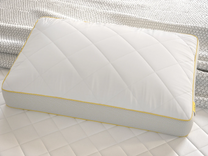
- Sleeping on a mattress and pillow that properly support your body.
If your mattress has seen better days or your pillow leaves you constantly fluffing and folding it into shape, upgrading your sleep setup could make recovering from life's occasional sleep disruptions a little easier.
eve Hybrid Mattresses combine responsive pocket springs with pressure-relieving foam to help support your body throughout the night, while eve hybrid and adjustable pillows are designed to provide consistent support without going flat halfway through your sleep.
Because when you finally get the chance to sleep, it should be good sleep.
can you catch up on lost sleep?
To an extent, yes.
One early night probably won't erase the effects of an all-nighter completely, but getting enough quality sleep over the following few nights helps your body recover properly.
Think of it as paying back sleep gradually rather than trying to do it all in one marathon snooze.
frequently asked questions
Is it OK to pull one all-nighter?
Occasionally, yes. Most people will experience the odd all-nighter because of studying, travel, parenting, celebrations or work. Regular sleep deprivation, however, can affect both physical and mental wellbeing.
Should I stay awake after an all-nighter?
If it's safe to do so, staying awake until your normal bedtime can help your body clock return to its usual routine. A short power nap is fine if you're struggling to stay alert.
How long does it take to recover from an all-nighter?
Many people feel much better after one or two nights of good-quality sleep. Although, recovery varies depending on your health, age and how much sleep you've lost.
Can I exercise after an all-nighter?
Gentle movement, such as walking or stretching, can help boost alertness. If you're extremely tired, it may be best to skip intense workouts until you've had some proper rest, as fatigue can affect coordination and increase your risk of injury.
Why am I so hungry after not sleeping?
Poor sleep can affect the hormones involved in appetite, making you feel hungrier than usual and increasing cravings for high-sugar or high-fat foods.
the bottom line
An all-nighter isn't ideal, but sometimes it's unavoidable.
Whether you've been revising until sunrise, dancing the night away, crossing time zones, working through the night or caring for a poorly child, the most important thing is giving your body the chance to recover.
Hydrate, get some daylight, eat well, keep naps short if you need them and return to your usual bedtime as soon as you can.
And when you finally climb into bed, make sure it's a bed that's working just as hard as you have. A supportive mattress, a comfortable pillow and a sleep setup that suits your needs won't erase an all-nighter, but they can help you make the most of the sleep you do get.
After all, life occasionally keeps us awake. Your bed should be ready when sleep finally turns up.