







There’s nothing quite as soul-sapping as trying to get a decent night’s kip when your chest feels like it’s hosting a full-on percussion section. A cough, especially the kind that sneaks up at 2 a.m., can turn the simple act of sleeping into a marathon of frustration.
Whether it’s a tickly throat that makes you hack every five minutes, or a chesty, rattling nuisance, sleeping with a cough can feel like an impossible challenge. But fear not, fellow insomniacs, there are ways to get some shut-eye without feeling like you’re auditioning for a horror movie. Here’s your unofficial guide to surviving a coughy night.
understand your cough
Before you dive headfirst into remedies, it helps to know what you’re dealing with. Is it a tickly cough that gets worse when you lie down? Or a wet, chesty cough that leaves you wheezing? Understanding the type of cough you have can shape how you tackle it at night.
- tickly cough: Often caused by a throat irritation or a mild cold. It’s sneaky, and usually worse when you lie down (1).
- chesty cough: Can be a sign of mucus build-up in the lungs. Sometimes it helps to sit up a bit before sleeping to let gravity do its thing (2).
- allergy-induced cough: Triggered by dust, pet hair, or pollen. Might be seasonal or year-round (3).
Knowing the source doesn’t just help with treatment; it gives you a bit of psychological comfort. If you understand what’s happening in your body, it feels less like your chest is plotting against you.
set the scene for sleep
The right environment can make a massive difference when you’re battling a cough. Here’s how to create a sleep-friendly haven:
- temperature: Keep your bedroom cool but not freezing. Around 18–20°C is ideal. Warm rooms can make your throat dry and worsen a tickly cough.
- humidity: Dry air can aggravate a cough, especially if you’ve got a chesty one. A cheap humidifier or even a bowl of hot water near your radiator can help.
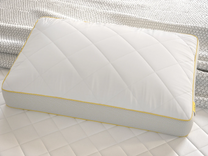
- bedding: Extra pillows aren’t just for reading in bed – they can prop you up to reduce coughing fits. A slightly elevated upper body can stop post-nasal drip and chest congestion from turning into a nocturnal orchestra.
Small tweaks to your environment can often make the difference between a night of tossing and turning and a surprisingly restful sleep.
pre-bedtime rituals that actually work
If you’re hoping for a magic pill, sorry, there isn’t one. But a few rituals can calm your throat and prepare your body for sleep:
- warm drink: A mug of tea with honey, or even just warm water, can soothe your throat. Honey, in particular, has mild anti-inflammatory properties and can coat your throat to reduce tickles.
- steam therapy: A quick hot shower or a few minutes over a bowl of steaming water can loosen mucus and ease breathing. Just be careful not to scald yourself – no one wants a third-degree burn on top of a cough.
- gentle stretches: Simple stretches or yoga can relax your body and reduce tension, which in turn can help your chest feel less tight.
Avoid heavy meals, alcohol, or caffeine right before bed as they tend to make coughing worse and disturb sleep (4).
quick fixes for a coughing fit
Sometimes, no matter what you do, a coughing fit will strike. Here’s how to handle it without completely ruining your night:
- sip water slowly: Keep a bottle or glass of water by your bed. A few sips can calm a tickly throat.
- cough drops or lozenges: These can keep your throat moist and reduce the urge to hack.
- controlled breathing: Try inhaling slowly through your nose and exhaling through your mouth. It can stop the reflex loop of coughing that keeps waking you.
Having these tricks up your sleeve can save you from hours of tossing and turning.
when medication makes sense
If your cough is really relentless, over-the-counter meds can help but it’s worth knowing what you’re taking:
- cough suppressants: Good for dry, tickly coughs that are keeping you awake. They reduce the urge to cough so you can actually drift off.
- expectorants: Better for chesty, phlegmy coughs. They loosen mucus so you can clear it more easily.
- decongestants: Useful if your cough is part of a blocked-nose situation. A clear airway makes breathing easier at night.
Always read the instructions carefully and be mindful of side effects. If your cough persists for more than a couple of weeks or comes with other symptoms like high fever, chest pain, or shortness of breath, it’s time to see a doctor (5).
little lifestyle tweaks
Sometimes, a few small lifestyle adjustments can make nights with a cough a lot more bearable:
- stay hydrated: Water keeps your throat moist and helps thin mucus.
- avoid irritants: Smoke, strong cleaning products, and even heavy perfumes can trigger coughing fits.
- clean bedding regularly: Dust mites and pet dander are classic cough triggers.
It’s not glamorous, but keeping your bedroom clean and your body hydrated pays dividends when you’re trying to sleep through a cold.
the power of mindset
It might sound cheesy, but your mental approach to a cough filled night matters. Worrying about not sleeping can make coughing feel worse. Try to accept that you might wake up a few times and that’s okay. Use gentle mindfulness techniques: focus on your breath, listen to calming sounds, or even try a sleep meditation. Sometimes convincing your brain it’s “sleep time” can calm the cough reflex enough to drift off.
final thoughts
Sleeping with a cough is never fun, but it doesn’t have to be a nightmare either. By understanding your cough, adjusting your sleep environment, using simple pre-bed rituals, and keeping a few tricks handy for coughing fits, you can actually get some rest.
Remember, everyone’s body is different – what works for one person might not work for another, so experiment a little and see what makes your nights more bearable.
And if all else fails, remember this: a night or two of rough sleep won’t last forever. Stock up on tea, fluff your pillows, and tackle that cough one evening at a time. You might not get beauty sleep, but at least you won’t emerge in the morning sounding like a foghorn. Until next time, eve Sleep.
sources:
- https://www.benylin.co.uk/types-of-cough/tickly
- https://www.benylin.co.uk/types-of-cough/chesty
- https://www.templehealth.org/about/blog/allergies-vs-chronic-cough
- https://smartvest.com/blog/excess-mucus-after-drinking-alcohol/
- https://www.chemist-4-u.com/guides/coughs-cold-flu/best-medicines-dry-tickly-mucus-coughs/